PITTSBURGH SYMPHONY ORCHESTRA, BRAHMS, SHOSTAKOVICH, ALEXANDRE KANTOROW, MANFRED HONECK, LUCERNE FESTIVAL 2026

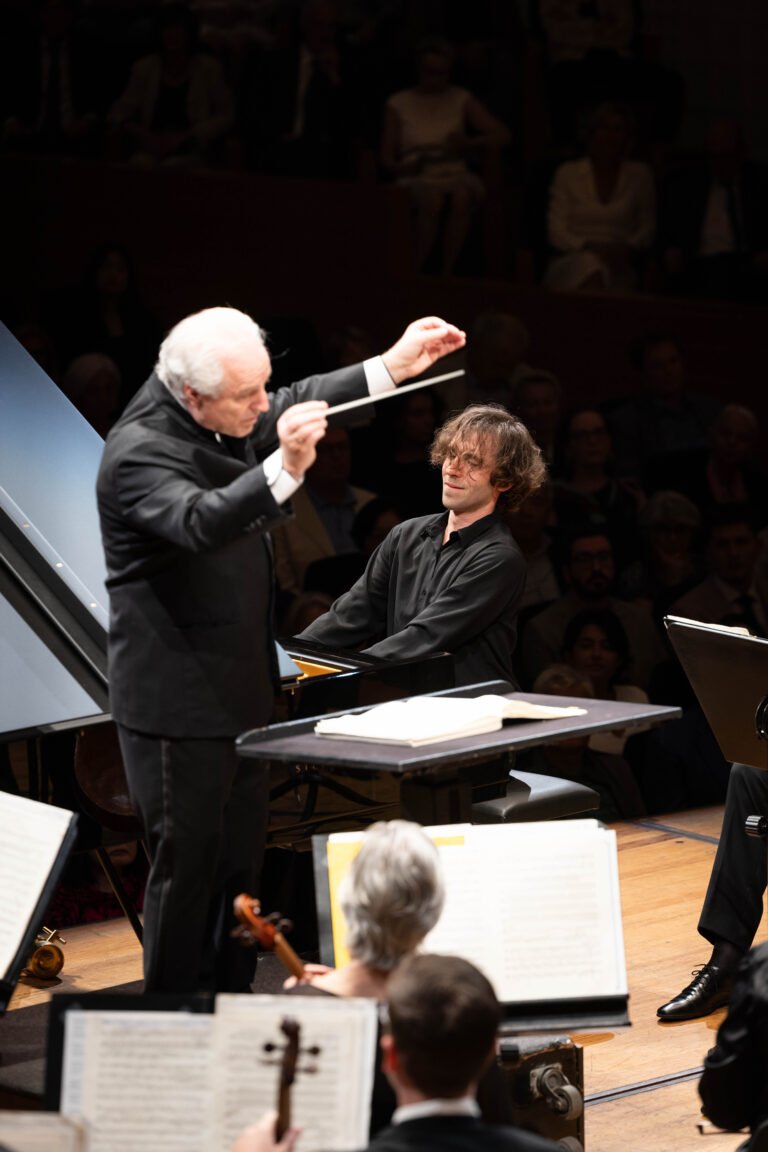
© Manuela Jans/Festival de Lucerne

Two storms in D minor

At the KKL, Alexandre Kantorow, Manfred Honeck and the Pittsburgh Symphony Orchestra built an entire evening upon a single key. Brahms’s First Concerto became a symphonic drama held together by narrative; Shostakovich’s Fifth stopped being a confession and turned into a Russian chronicle, a national novel, with Boris Godunov passing through the brass of the finale. No pathos, sovereign legato, implacable architecture. And at the last, a Grieg sunrise that the lake itself seemed to have commissioned. A lesson in intelligence.

Lucerne Festival – Thursday 3 September 2026

Kultur und Kongresszentrum Luzern (KKL)

Pittsburgh Symphony Orchestra

Conductor: Manfred Honeck

Johannes Brahms, Piano Concerto No. 1 in D minor, Op. 15

Dmitri Shostakovich, Symphony No. 5 in D minor, Op. 47

Piano: Alexandre Kantorow

D minor as an argument

           Credit where it is due: this programme was built by someone who thinks. To place Brahms’s First Concerto beside Shostakovich’s Fifth is to advance a thesis, and the thesis fits into two words. D minor. The key is no accident of the catalogue here; it is the evening’s proposition. Since Mozart, since the Requiem and Don Giovanni, and above all since that humming void out of which Beethoven’s Ninth emerges, D minor has been the key of beginnings made in chaos, the key of works that pose a question they will be obliged to answer in the major. D minor is a trial. One enters it guilty and waits for the verdict.

            Brahms knew this better than anyone. His concerto opens on a timpani pedal and string trills that all but quote the Beethovenian void, and for twenty-five minutes the first movement remains one colossal variation on that beginning. Shostakovich knew it too: his Fifth begins with jagged canons in D minor and ends in D major, in a clamour whose sincerity we are still arguing about ninety years later. Two works, two young men in danger, one shared key and two opposite verdicts. In Brahms the final major is a private deliverance. In Shostakovich it is an official communiqué, and everyone in the hall in 1937 understood that applause was compulsory. That is the programme. Rarely does a touring poster hand a critic so clean a proposition: the same key, the same formal journey out of minor into major, and two centuries that make entirely different use of it.

            There is a third term, less visible and more telling. Both works are thwarted symphonies. Brahms’s concerto began life as a sonata for two pianos, then became a symphonic sketch, before the young man lost his nerve. Shostakovich’s Fifth follows the withdrawal of his Fourth, a symphony forbidden by its own author, pulled from rehearsal in the autumn of 1936 and left to wait until 1961 for its first performance. Two symphonies prevented, two detours, and a D minor that speaks each time of constraint.

"Terribly difficult and grand" (Brahms to Clara Schumann)

The violence of this music makes no sense without its origins. February 1854: Robert Schumann throws himself into the Rhine. Brahms is twenty. He hurries to Düsseldorf, settles beside Clara, and lives through two years of which he will never speak. The sonata for two pianos he begins then will not stay inside his hands. He turns it into a symphonic sketch, takes fright at his own boldness, retreats, and salvages a concerto from the wreckage, lacking the nerve for the genre that awaits him and which he will not face until 1876. First performance in Hanover on 22 January 1859, Joachim conducting, the composer at the keyboard. Five days later Leipzig hissed. Brahms wrote to Joachim that he would try again, that this was the only way to learn anything. He was twenty-five.

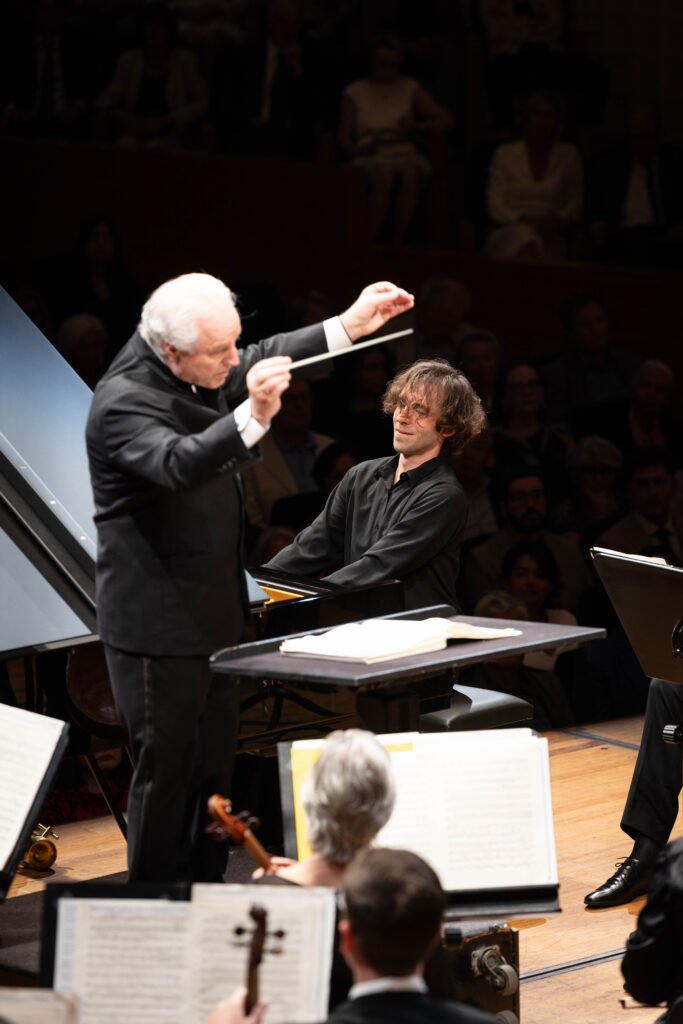
From that troubled lineage the work retains a peculiarity that every interpreter must confront: the piano part never dominates. It fights. The old formula that calls the piece a concerto for orchestra and piano is exactly right, and it is precisely the reading Kantorow and Honeck choose.

© Manuela Jans/Festival de Lucerne

Kantorow: narrative against monument

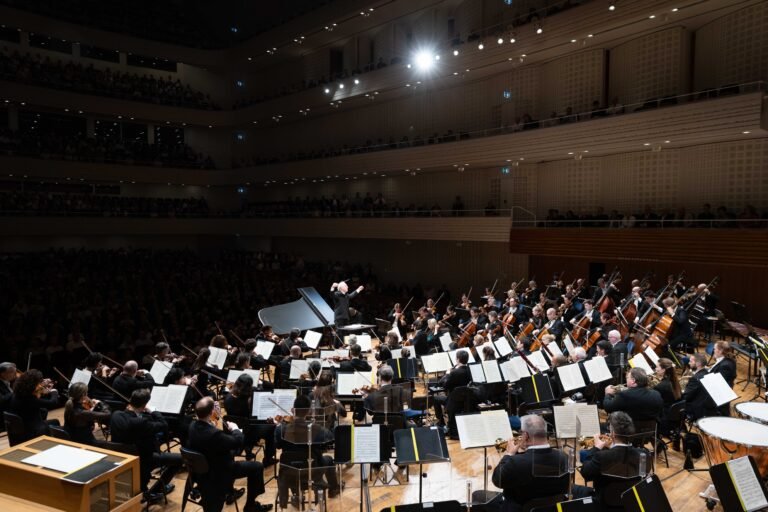
        The orchestral exposition unfolds broadly. Honeck hurries nothing, letting the Pittsburgh strings put out a full, fleshly, generous sound, and never driving the timpani into gratuitous thunder. The atmosphere is funereal, the Beethovenian weather settles at once: we are inside a variation on emptiness and we shall not be let out of it. The young Brahms’s symphonic ambitions tear straight through the concerto ritual; the conductor does nothing to disguise them, and that in itself is a position taken.

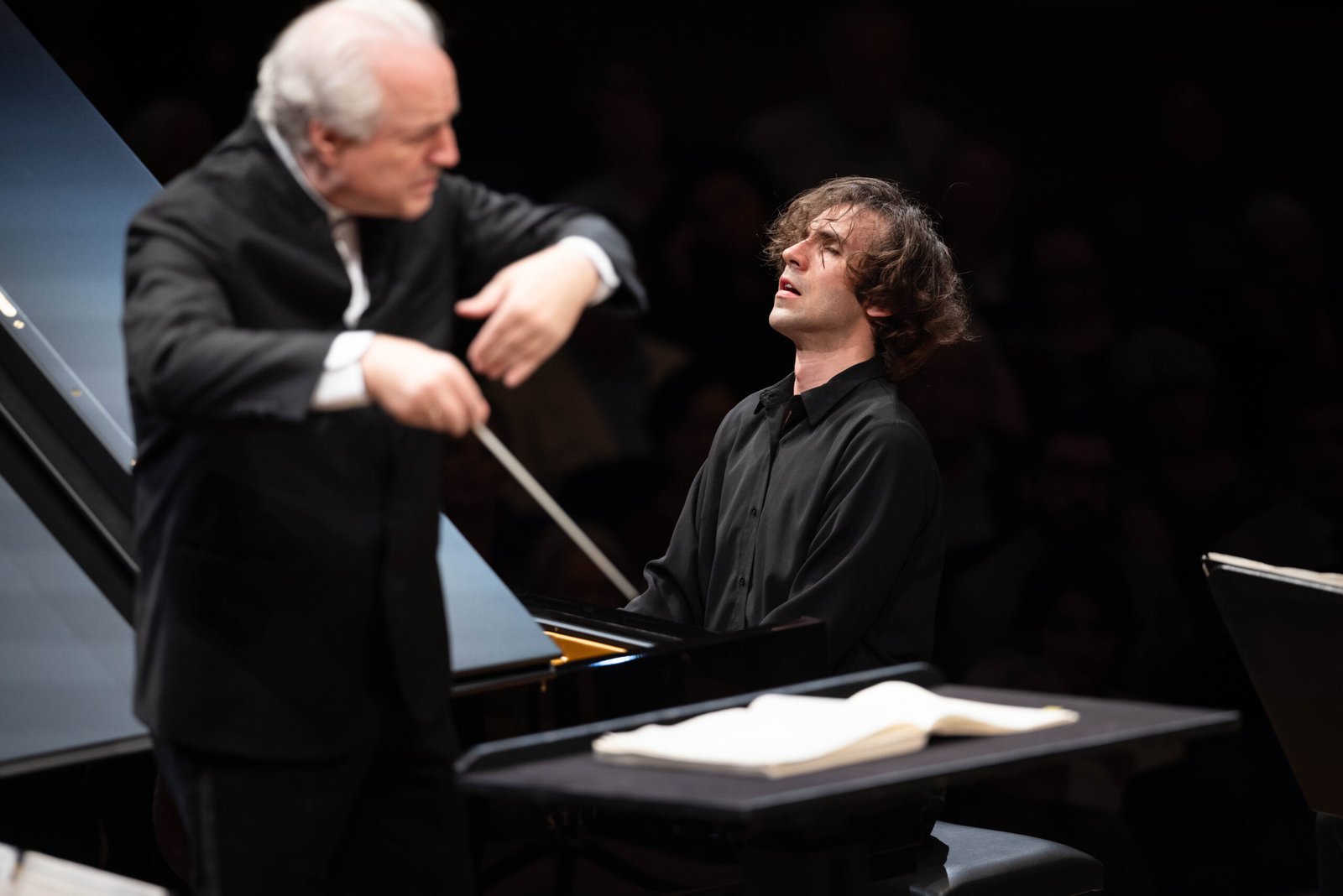
            Then the piano enters. It does not seek to dazzle. It asserts itself. It gives battle to titanic forces and prevails only by sheer stubbornness. Kantorow has the weight of tone the part requires, a broad right hand, and a rare gift for making octaves sound like orchestral mass rather than athletic display. His real distinction lies elsewhere: he converses. The great D minor periods become dialogues with the cellos, almost choreographic, keyboard and strings handing over the phrase the way two dancers hand over a gesture. One reservation, and only one: the left hand turns mannered here and there, those rolled basses underlining a framework that asked for no such help. It is the price of a reading that refuses the monumental and hunts everywhere for narrative.

            And what a narrative. There are passages of waltz in this first movement one would swear came from Berlioz, an idée fixe wheeling round as it does in the Symphonie fantastique, harmonic wanderings that demolish the supposed classicism of the young Brahms. This music is nothing like as well behaved as its reputation. It strays, it gropes, it fails in places, and that is what makes it overwhelming. Schumann is never far off, a living presence rather than a tutelary shade, and listening to Honeck one grasps that the concerto is also a tomb: the music of a young man who watched a master go under and who composes against that image. The conductor, a romantic if ever there was one, holds all this together with a clarity of direction that never once covers his soloist. The inner voices stay audible through the tuttis. In a hall as unforgiving as the KKL, the feat deserves recording.

            Then Honeck takes the time for a silence. That silence between the first and second movements, which so many colleagues hustle past for fear of coughing, becomes here a deliberate breath, very nearly a liturgy. The Adagio that emerges had earned such preparation. Above the theme in the manuscript Brahms wrote the words Benedictus qui venit in nomine Domini, and he confided to Clara that he was painting her gentle portrait: a love song folded into the strings, the piano advancing shyly, violins one rarely hears so restrained. Quintessence. A landscape of grey lagoon, rarefied air, a beauty that suffocates from sheer reticence. The double basses, worthy of every praise, carry the harmony like a distant swell. In the great chordal writing Kantorow’s pianism sounds startlingly modern, almost experimental, up to a closing suspension of pure Tristan that opens onto something other than Brahms. Elsewhere the breadth turns more classical, with tender inflections one will meet again in Dvořák’s New World: no accident that an American orchestra finds its native colours here.

            The finale is attacked without pause, at a hard gallop. Brahms’s intended contrast detonates: brass optimism regained, astonishing vivacity from the pianist, risk taken on every page. A rondo modelled on Beethoven’s Third Concerto, minor converted to major by conquest, with that Bachian fugato which reminds us where Brahms went to school himself. This is the most Beethovenian movement of the work, and Kantorow finds in it a conquering brilliance, a martial note the orchestra sustains without ever crushing. A miracle of proportion: this mass of sound, capable of imposing its full weight, turns chamber ensemble in the virtuoso episodes, as though fifteen players alone were accompanying him. The closing chords, pastoral, victorious, airborne in their lightness, ring out as deliverance. The whole concerto has been a narration; the ending is its resolution, the precise answer to the anguish of the opening. The hall rises. This is not festival courtesy but recognition of a reading that has thought the work through.

          Kantorow’s encore reveals once again how much less classical Brahms’s writing can be than the cliché would have us believe. The Intermezzo in A major, Op. 118 No. 2 is all delicacy, yet charged with a deeply Romantic emotion, its wandering, almost Schumannian turns giving the music a strangely elusive quality. There is nothing rigid here, nothing of the austere Brahms of cliché: the piece unfolds with extraordinary tenderness, its apparent simplicity concealing an inner world of remarkable intensity. A beautiful, deeply moving way to bring the evening to a close.

          This pianist thinks in stories.

© Manuela Jans/Festival de Lucerne

"A Soviet artist's practical creative reply to just criticism"

        The phrase was not Shostakovich’s. It appeared in a Leningrad newspaper and the composer, being prudent, let it stand. Its weight repays measuring. On 28 January 1936 Pravda published « Muddle Instead of Music », an unsigned article we know carried approval from the summit, and a formal execution of Lady Macbeth of Mtsensk. Shostakovich was twenty-nine, the prodigy of Soviet music, and overnight he became a formalist, which in the language of the period designated a man who might be disposed of. He withdrew the Fourth Symphony from rehearsal that autumn. It would wait until 1961. He then composed the Fifth, first performed in Leningrad on 21 November 1937 by Yevgeny Mravinsky, a young conductor nobody had expected there. The audience wept. Witnesses speak of an ovation lasting half an hour. The Great Terror was at its height, arrests were running into the hundreds of thousands, and a full hall stood applauding a symphony that ends in a shout.

            The entire performance history of this work lies in how one reads that shout. Sincere triumph from a reconciled artist, or forced rejoicing under duress, the « rejoicing under the lash » of Volkov’s much-contested testimony? The question has fed half a century of polemic and has ended by impoverishing the listening, reducing fifty minutes of music to a problem of sincerity. Manfred Honeck moves the centre of gravity, and this is where his evening becomes exemplary.

Honeck: the symphony as chronicle

          Consider who is conducting. Manfred Honeck was born in 1958 in Nenzing, in the Vorarlberg, a few kilometres from the Swiss border; he played viola in the Vienna Philharmonic before taking up the baton, he has led Pittsburgh since 2008, and his contract has just been extended to horizons few American music directors ever see. The biography is no ornament. It is audible. A man who played the Ländler of Bruckner and Mahler from inside the viola desks hears Shostakovich’s Fifth as an heir to that tradition, and draws from it a reading that neither Russian sentiment nor cold analysis can account for.

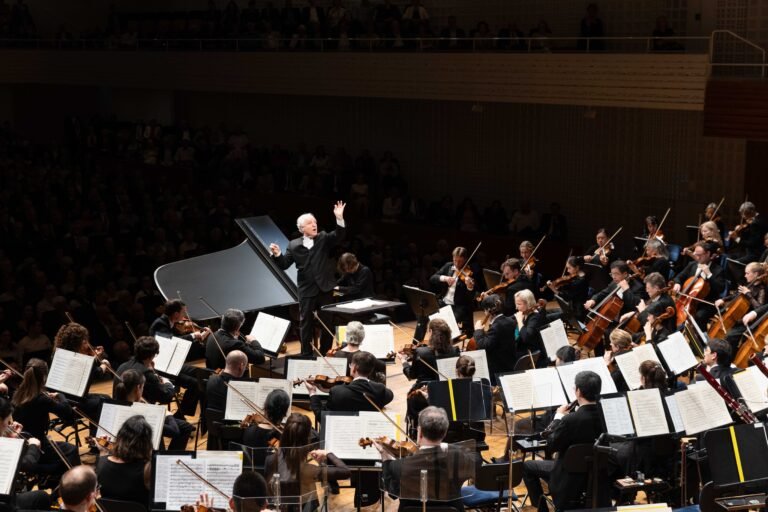
            His Fifth takes on the dimensions of a fresco. The symphony ceases to be one man’s confession and becomes the chronicle of a country, a national novel in which the condition of a Russia turned Soviet can be read. That collective dimension gives his conducting its altitude, and it explains every choice he makes.

            Same key as the concerto, same attack, and unease settles in from the opening bars. What strikes first is the refusal of pathos. Where so many conductors weigh down the opening canons into a manifesto, Honeck gives them impetus, momentum, a legato one would have thought impossible in such angular writing. Everything turns legible. There is a sinister beauty about this first movement, and at once that visual, cinematic dimension imposes itself: deserted Moscow streets, spectral, fog-bound, film noir before film noir, a long tracking shot across a city holding its breath. It is beautiful, and nothing about it is applied from outside. Honeck is always telling a story. The central accelerando already announces the chase of the finale and organises the chaos with Mahlerian brilliance: triumphal march or parade of threats, one no longer knows, and that is exactly what the score wants. The closing chords let the brass die away into the vague menace of bureaucratic surveillance, as though the music knew it was being listened to. Command of architecture: the movement stands because every episode remembers where it came from.

            The Scherzo is the most Mahlerian thing in the work, and Honeck makes no apology for it. Those flutes. That bassoon, mocking, sardonic, sly to perfection. That sense of the dislocated puppet, which the conductor’s own gestures mime outright, shoulders and wrists thrown forward as though he were working the strings himself. Grotesque fanfare, ludicrous waltz, and the falsely graceful violin solo of David McCarroll: this movement is the principals’ benefit night, and the Pittsburgh flute is superb in it. In the bass lines Honeck lets an unashamed Brucknerian heaviness be heard, the weight of those Ländler from deepest Austria out of which Bruckner and Mahler alike drew their irony and their tenderness. Here is the key to the whole reading: the Austrian from Nenzing knows by instinct the spring from which Shostakovich, by way of Mahler, drew, and he brings it back to the surface. The Scherzo stops being a Soviet cartoon and becomes what it is, a village dance gone wrong.

            Before the Largo, another very long silence. The conductor imposes it, the hall holds it, and this time the silence is a musical event in its own right. Then his left hand begins to mime a violin, fingers curled, wrist vibrating, as if drawing the sound physically out of the strings: the violist conducts from inside the instrument. What follows is a lament of immense breath. Legato, amplitude, violin pianissimi to dream of, chiselled sostenuti, carpets of sound scarcely whispered. Shostakovich removed the brass from this movement and divided the strings; Honeck exploits that rarefaction to the edge of silence. One is alone before the threat. The ending, calmer, more luminous, dispels nothing: it takes note. One thinks of Mravinsky in Helsinki in 1961, which we discussed in these pages not long ago, the absolute reference for what this music can be when it declines to console. Honeck consoles, and yet he does not lie. The distinction is a fine one; it is the whole difference between a conductor and an executant.

            The finale, attacked without a break, recovers the chase and that sense of legato in the bowing which will remain the evening’s signature. The muffled, menacing marches of the first movement return, and the film noir with them. And then, through the brass, come echoes of Boris Godunov. Quotation, homage, reminiscence, the word hardly matters: Shostakovich would re-orchestrate Mussorgsky’s opera two years later, and one cannot hear these bells and fanfares without thinking of what Boris recounts. The Time of Troubles. Russia without a legitimate tsar, delivered over to impostors. The usurper who rules by fear and the murdered child who returns in his nights. The people who cheer, and fall silent. The parallel is arresting, and Honeck makes it the heart of his reading: the Fifth stops being ciphered autobiography and becomes a historical meditation, a question put to Russia about what keeps coming back in her. The climax then acquires quite another value. An apotheosis at once ambiguous and heavy, hammered by cymbal strokes that beat out an implacable destiny with something of the last hammer blows of Mahler’s Sixth, this D major seeks neither to persuade nor to sneer. It falls. Honeck’s final triumph escapes the tired alternative of sincere or forced. It is historical. It is what happens to peoples before it happens to men.

© Pulsations.art

A Moroccan morning, seen from Lucerne

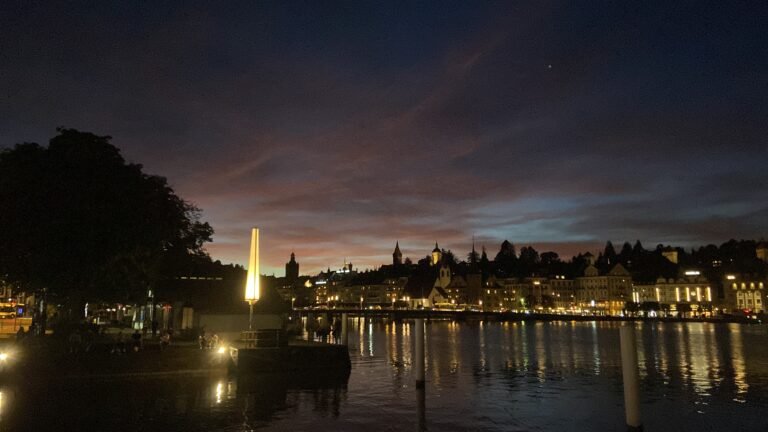
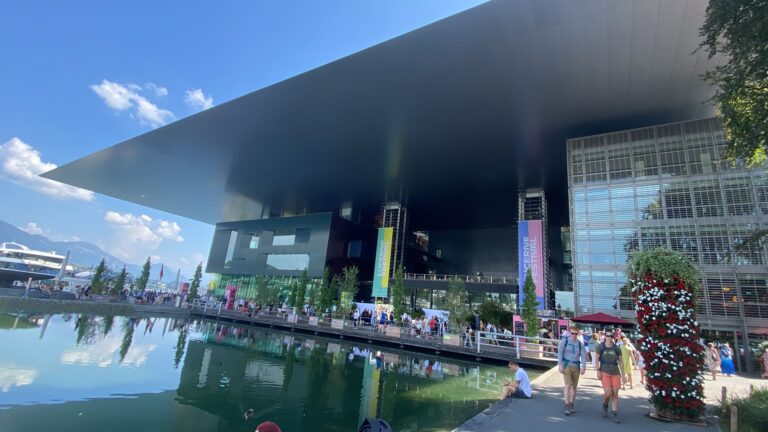
      The encore was Morning Mood from Peer Gynt, and it took nerve to play it after that. All the conductor’s romantic legato is there, in a sound almost Wagnerian and yet deeply Swiss, deeply pastoral, with the occasional illusion of Beethoven, the Beethoven of the Pastoral and its calling woodwind. The setting plays its part. Jean Nouvel’s hall set down on the water, Pilatus behind it, September light still warm on the quays: the architecture of Lucerne colours the listening, and someone should one day write about what this place does to the works performed inside it. Recall, finally, that Morning is supposed to depict a dawn in Morocco, in the fourth act of Ibsen’s play, and that Grieg put into it, in place of the desert, the entire light of the fjords. Composers have never painted anything but what lay before their eyes.

            After two storms in D minor, a sunrise in E major, on a Swiss lake, in the name of an African desert. The programme had posed a question; the answer arrived obliquely, in a six-minute encore. The Pittsburgh Symphony Orchestra, days from the close of its forty-fifth international tour, leaves Europe on an evening that will be remembered. And walking out along the quays into the mildness of a Swiss night, one catches oneself thinking that Brahms and Shostakovich each wrote their D minor at the age when a man does not yet know whether he will survive what he has written.

Les autres articles

PITTSBURGH SYMPHONY ORCHESTRA, BRAHMS, SHOSTAKOVICH, ALEXANDRE KANTOROW, MANFRED HONECK, LUCERNE FESTIVAL 2026

© Manuela Jans/Festival de Lucerne Two storms in D minor At the KKL, Alexandre Kantorow, Manfred...

PITTSBURGH SYMPHONY ORCHESTRA, BRAHMS, CHOSTAKOVITCH, ALEXANDRE KANTOROW, MANFRED HONECK, FESTIVAL DE LUCERNE 2026

© Manuela Jans/Festival de Lucerne Deux tempêtes en ré mineur Au KKL, Alexandre Kantorow, Manfred...

Mahler at the Concertgebouw: A Review of the RCO’s Chief Conductors Edition

Gustav Mahler – The Chief Conductors Edition Royal Concertgebouw Orchestra – RCO Live...

BERLINER PHILHARMONIKER, MAHLER, KIRILL PETRENKO, LUCERNE FESTIVAL 2025

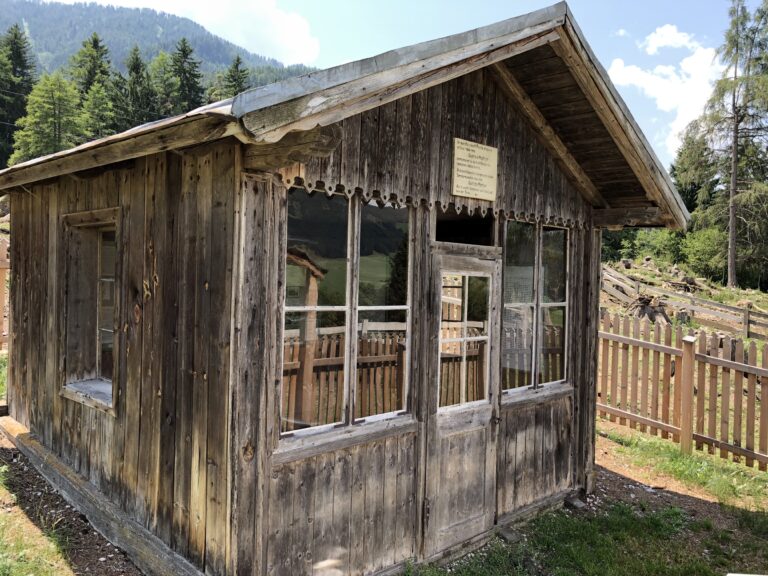
Genesis of Mahler’s Ninth in Toblach, at the heart of the Dolomites At the Lucerne Festival, Kirill...

ORCHESTRE PHILHARMONIQUE DE BERLIN, MAHLER, KIRILL PETRENKO, FESTIVAL DE LUCERNE 2025

Genèse de la 9e de Mahler au coeur des Dolomites Au Festival de Lucerne, Kirill Petrenko et le...

A LA LISIÈRE DES MONDES : LE FESTIVAL SIBELIUS DE LAHTI 2025

La maison où Sibelius composa « Kullervo » à Loviisa Quelque chose a vibré, doucement, sur les rives...

ENCOUNTERS AT THE EDGE OF THE NORTH – SIBELIUS FESTIVAL 2025 LAHTI

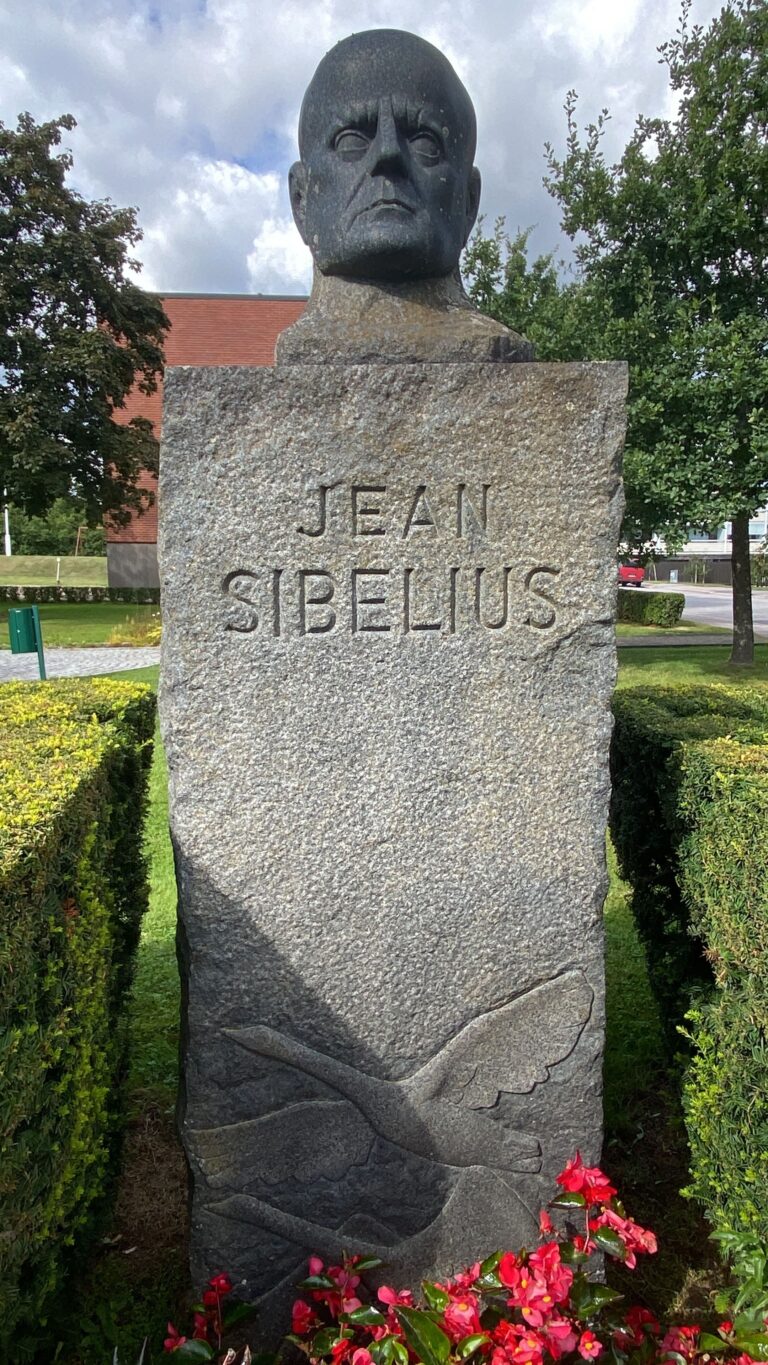
Statue of Sibelius, Loviisa, Finland The 2025 Sibelius Festival in Lahti unfolded as a triptych...

LUCERNE FESTIVAL ORCHESTRA – BOULEZ / MAHLER – RICCARDO CHAILLY : MIRROR OF THE WORLDS

Pierre Boulez (1925-2016) © DR Under the baton of Riccardo Chailly, the opening concert of the 2025...

LUCERNE FESTIVAL ORCHESTRA – BOULEZ / MAHLER – RICCARDO CHAILLY : LE MIROIR DES MONDES

Pierre Boulez (1925-2016) © DR Sous la baguette de Riccardo Chailly, le concert d’ouverture du...
Retour en haut